|
QUARTZ |
|
 |
 |
 |
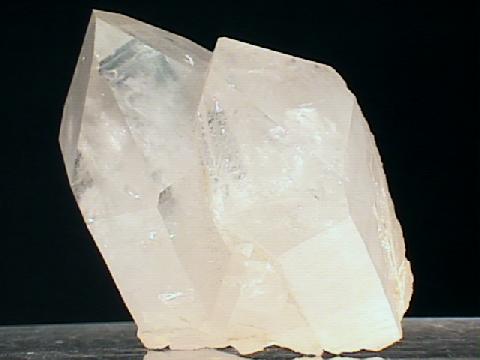
- Chemistry: SiO2 , Silicon dioxide
- Class: Silicates
- Subclass: Tectosilicates
- Group: Quartz
- Uses: silica for glass, electrical components, optical lenses, abrasives, gemstones, ornamental stone, building stone, etc.
- The Physical Properties of Quartz.
Specimens Amethyst Citrine Rock Crystal Rose Quartz Smoky Quartz
Additional variety specimens include:
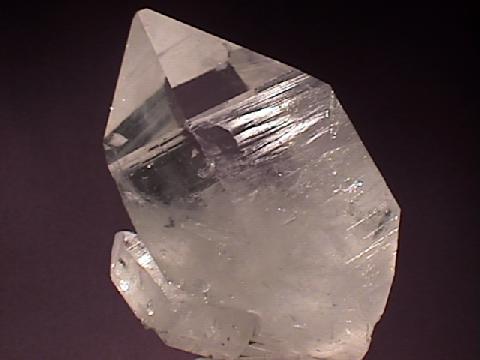
Quartz is the most common mineral on the face of the Earth. It is found in nearly every geological environment and is at least a component of almost every rock type. It frequently is the primary mineral, >98%. It is also the most varied in terms of varieties, colors and forms. This variety comes about because of the abundance and widespread distribution of quartz. A collector could easily have hundreds of quartz specimens and not have two that are the same due to the many broad categories. The specimens could be separated by answers to the following questions: color?, shade?, pyramidal?, prismatic?, druzy?, twinned?, sceptered?, phantomed?, included?, tapered?, coated?, microcrystalline?, stalactitic?, concretionary?, geoidal?, banded?, etc. Multiple combinations of these could produce hundreds of unique possibilities.
Some macrocrystalline (large crystal) varieties are well known and popular as ornamental stone and as gemstones.
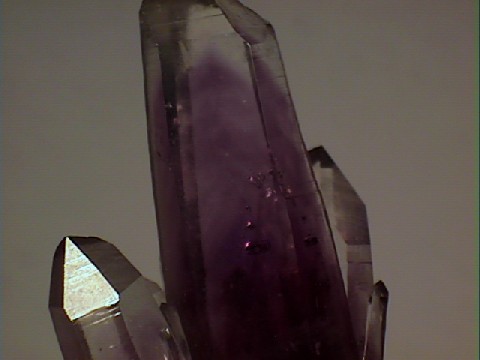
- Amethyst is the purple gemstone variety.
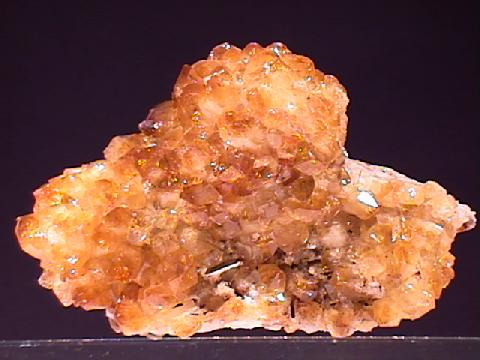
- Citrine is a yellow to orange gemstone variety that is rare in nature but is often created by heating Amethyst.
- Milky Quartz is the cloudy white variety.
- Prasiolite is a leek-green gemstone variety that is rare in nature but is created by heating Amethyst from certain locations.
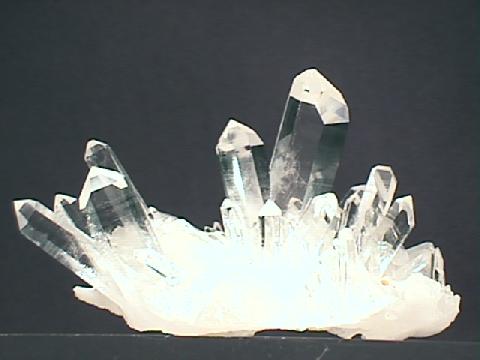
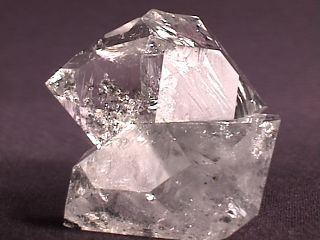
- Rock crystal is the clear variety that is also used as a gemstone.
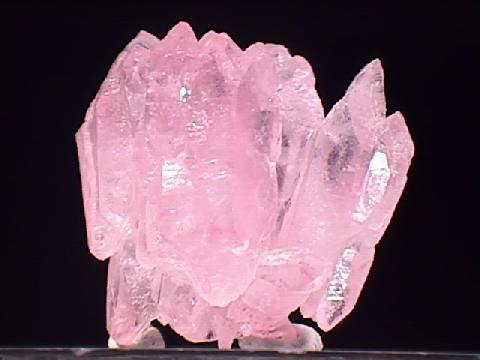
- Rose quartz is a pink to reddish pink variety.
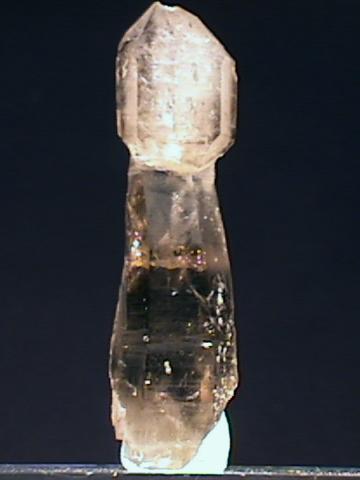
- Smoky quartz is the brown to gray variety.
Cryptocrystalline (crystals too small to be seen even by a microscope) varieties are also used as semi-precious stones and for ornamental purposes. These varieties are divided more by character than by color.
The primary varieties of chalcedony are as follows:
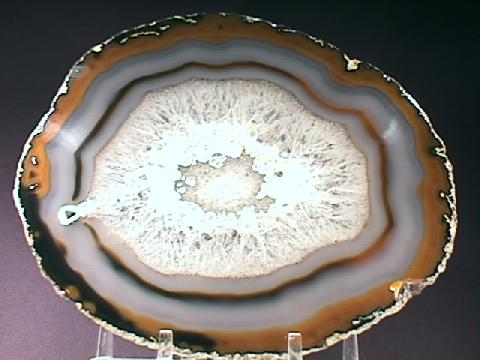
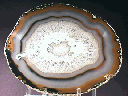
- Agate is a banded variety (sometimes with translucent bands)
- Bloodstone is green with red speckles
- Carnelian is yellow to orange
- Chrysoprase is green
- Flint is generally black with a fibrous microscopic structure
- Jasper is any colorful agate
- Onyx is black, white, or alternating black and white
- Sard is yellow to brown
- Sardonyx is banded, alternating sard and (usually white) onyx
Check out our selections of agate
Quartz is not the only mineral composed of SiO2. There are no less than eight other known structures that are composed of SiO2. These other substances and quartz are polymorphs of silicon dioxide and belong to an informal group called the Quartz Group or Silica Group. All members of this group, except quartz, are uncommon to extemely rare on the surface of the earth and are stable only under high temperatures and high pressures or both. These minerals have their own unique structures although they share the same chemistry, hence the term polymorph, which means many forms.
Quartz has a unique structure. Actually, there is another mineral that shares quartz's structure, and it is not even a silicate. It is a rare phosphate named berlinite, AlPO4, that is isostructural with quartz. The structure of quartz involves corkscrewing (helix) chains of silicon tetrahedrons. The corkscrew takes four tetrahedrons in order to repeat itself, or three turns. Each tetrahedron is essentially rotated 120 degrees. The chains are aligned along the C axis of the crystal and interconnected to two other chains at each tetrahedron making quartz a true tectosilicate. This structure is not like the structure of the chain silicates or inosilicates whose silicate tetrahedronal chains are not directly connected to each other. The structure of quartz helps explain many of its physical attributes.
For one, the helix makes three turns and this helps produce the trigonal symmetry of quartz. Likewise a helix or corkscrew lacks mirror planes of symmetry as does quartz. The corkscrew structure would also disrupt any cleavage which requires a plane of weakness not found in quartz and breakage would result in the curved fracture, conchoidal, that is found in quartz. Quartz can also have left and right handed crystals just as a corkscrew can screw in a left handed way or in a right handed way. There are even some very difficult to identify crystals of quartz that are twinned with alternating one sixths of the crystal being right handed and then left handed.
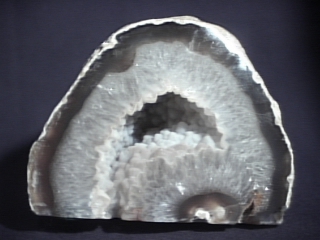
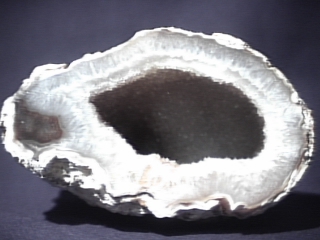
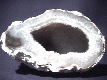
Quartz is a fun mineral to collect. Its abundance on the Earth's surface is incredible and produces some wonderful varieties that don't even look like the same mineral. A collector must always be up on the many varieties of quartz and it sometimes embarrasses a collector to have collected too many specimens of such a common mineral. But nearly all collectors concede that you can never really have enough quartz specimens. Note that quartz is nearly a defining component of most geodes. The agate form typically lines the original cavity, creating a durable shell to contain subsequent mineral growth, which itself is often quartz crystals of one or more varieties. Geodes from Brazil are a good example, as layers of agate comprise the shell, lined with milky and/or colorless quartz crystals, topped with amethyst.
PHYSICAL CHARACTERISTICS:
- Color is as variable as the spectrum, but clear quartz is by far the most common color followed by white or cloudy (milky quartz). Purple (Amethyst), pink (Rose Quartz), gray or brown to black (Smoky Quartz) are also common. Cryptocrystalline varieties can be multicolored.
- Luster is glassy to vitreous as crystals, while cryptocrystalline forms are usually waxy to dull but can be vitreous.
- Transparency: Crystals are transparent to translucent, cryptocrystalline forms can be translucent or opaque.
- Crystal System is trigonal; 3 2.
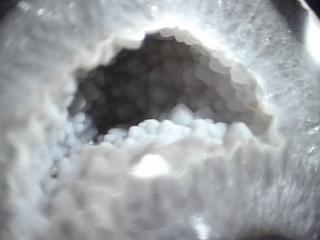
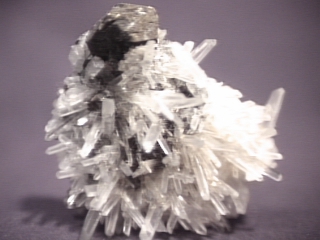
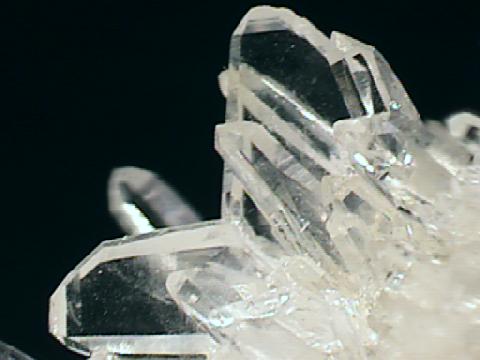
- Crystal Habits are again widely variable but the most common habit is hexagonal prisms terminated with a six sided pyramid (actually two rhombohedrons). Three of the six sides of the pyramid may dominate causing the pyramid to be or look three sided. Left and right handed crystals are possible and identifiable only if minor trigonal pyramidal faces are present. Druse forms (crystal lined rock with just the pyramids showing) are also common. Massive forms can be just about any type but common forms include botryoidal, globular, stalactitic, crusts of agate such as lining the interior of a geode and many many more.
- Cleavage is very weak in three directions (rhombohedral).
- Fracture is conchoidal.
- Hardness is 7, less in cryptocrystalline forms.
- Specific Gravity is 2.65 or less if cryptocrystalline. (average)
- Streak is white.
- Other Characteristics: Striations on prism faces run perpendicular to C axis, piezoelectric (see tourmaline) and index of refraction is 1.55.
- Associated Minerals are numerous and varied but here are some of the more classic associations of quartz (although any list of associated minerals of quartz is only a partial list): amazonite a variety of microcline, tourmalines especially elbaite, wolframite, pyrite, rutile, zeolites, fluorite, calcite, gold, muscovite, topaz, beryl, hematite and spodumene.
- Notable Occurrences of amethyst are Brazil, Uraguay, Mexico, Russia, Thunder Bay area of Canada, and some locallities in the USA. For Smoky Quartz; Brazil, Colorado, Scotland, Swiss Alps among many others. Rose Quartz is also wide spread but large quantities come from brazil as do the only large find of Rose Quartz prisms. Natural citrine is found with many amethyst deposits but in very rare quantities. Fine examples of Rock crystal come from Brazil (again), Arkansas, many localities in Africa, etc. Fine Agates are found in, of course, Brazil, Lake Superior region, Montana, Mexico and Germany.
- Best Field Indicators are first the fact that it is very common (always assume transparent clear crystals may be quartz), crystal habit, hardness, striations, good conchoidal fracture and lack of good cleavage.
 Amethyst Galleries' Mineral Gallery MINERALS |
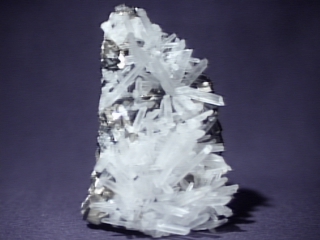
$ 55.00
qua-49 ($ 55.00)
$ 30.00
qua-54 ($ 30.00)
$ 45.00
qua-55 ($ 45.00)
$ 23.00
qua-69 ($ 23.00)
 QUARTZ specimen qua-90
$ 225.00
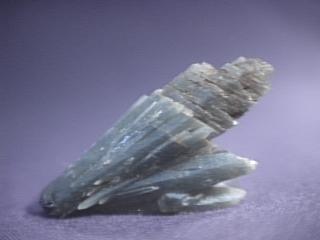
 qua-90 ($225.00)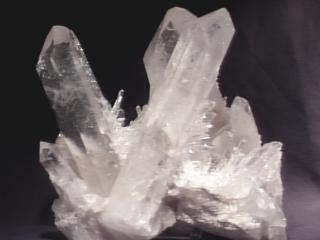
$ 800.00
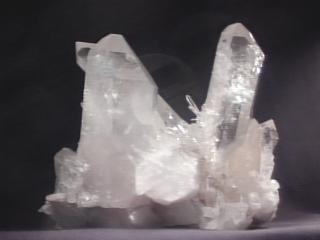
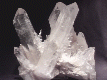
qua-92 ($800.00)
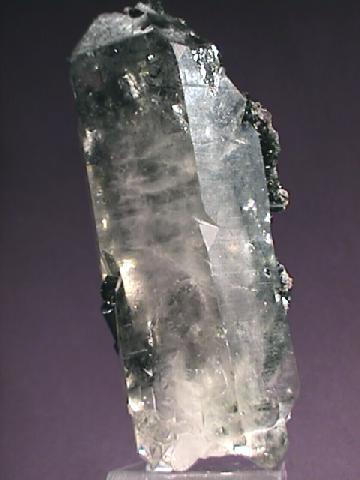 QUARTZ specimen qua-100
$ 450.00
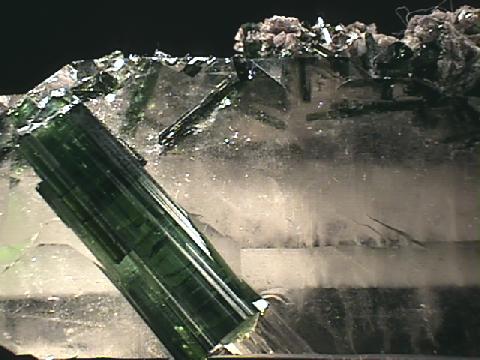
 qua-100 ($450.00)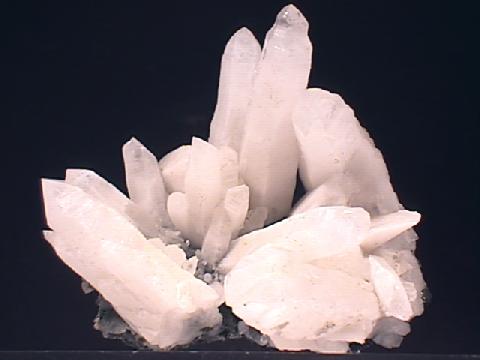
$ 75.00
qua-122 ($ 75.00)
$ 46.00
qua-133 ($ 46.00)
$ 30.00
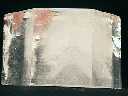
qua-136 ($ 30.00)
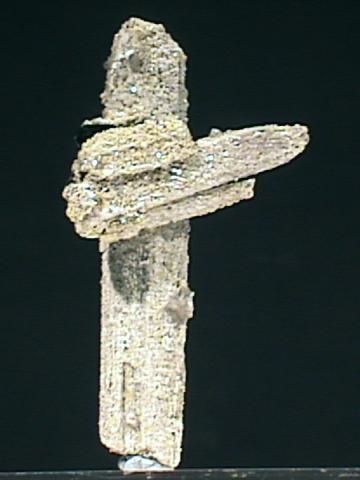
$ 58.00
qua-140 ($ 58.00)
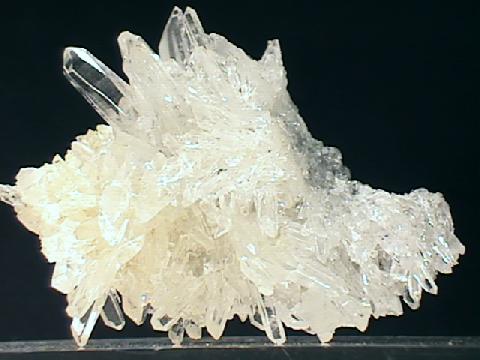
$ 80.00
qua-144 ($ 80.00)
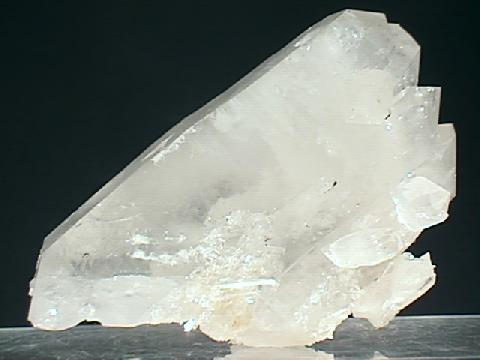
$ 25.00
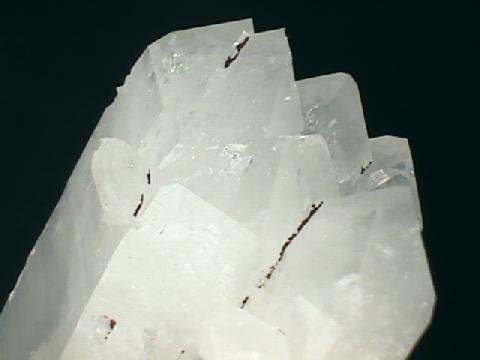
qua-146 ($ 25.00)
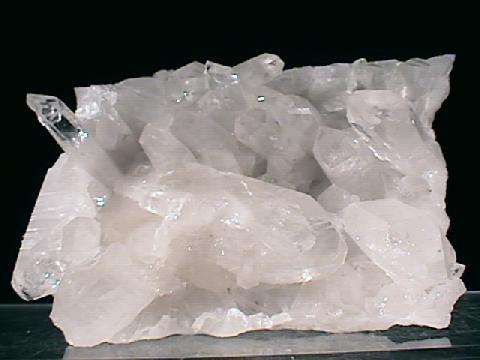
$ 25.00
qua-148 ($ 25.00)
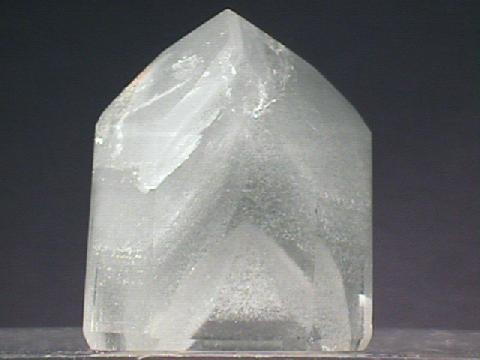
$ 35.00
qua-156 ($ 35.00)
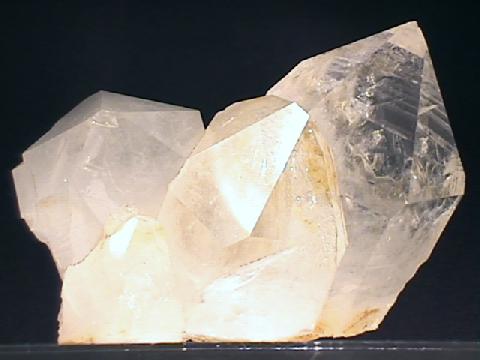
$ 36.00
qua-163 ($ 36.00)
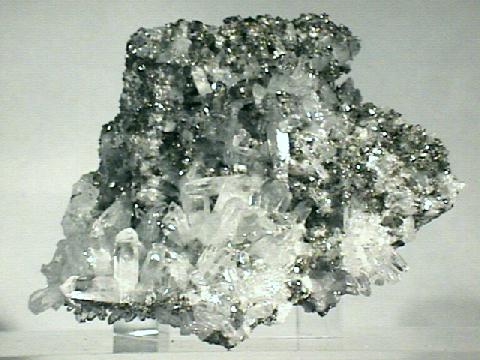
$ 75.00
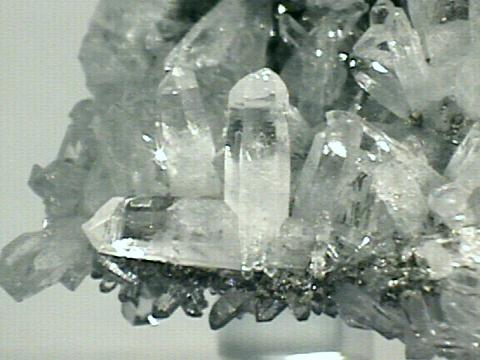
qua-165 ($ 75.00)
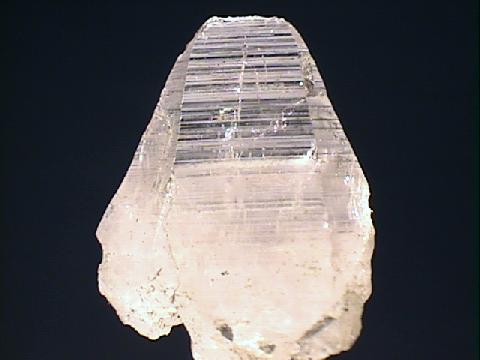
$ 26.00
qua-166 ($ 26.00)
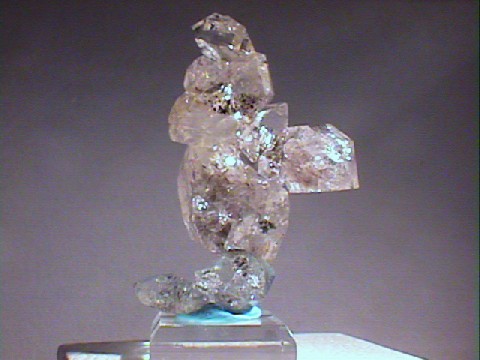
$ 110.00
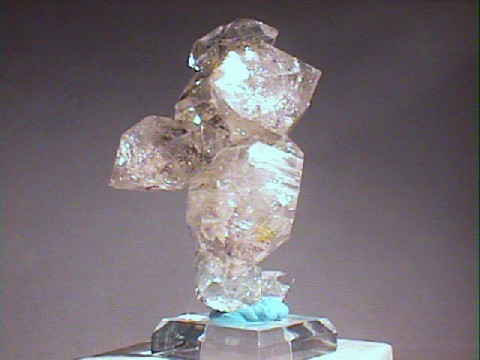
qua-177 ($110.00)
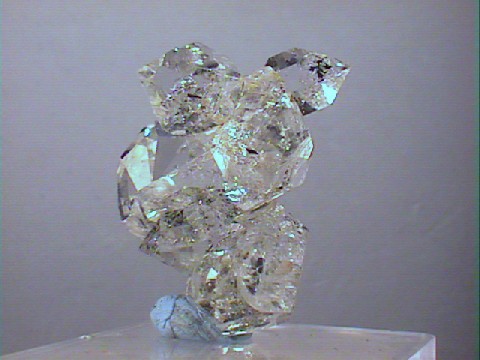
$ 120.00
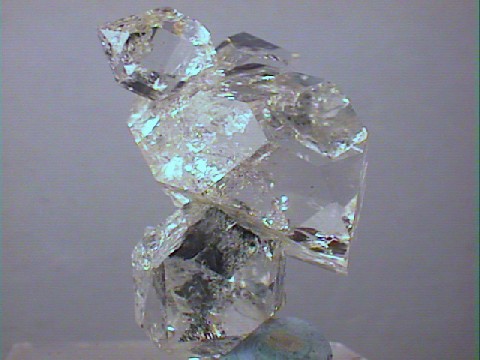
qua-176 ($120.00)
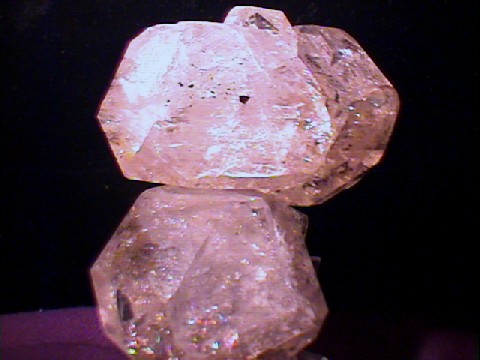
$ 75.00
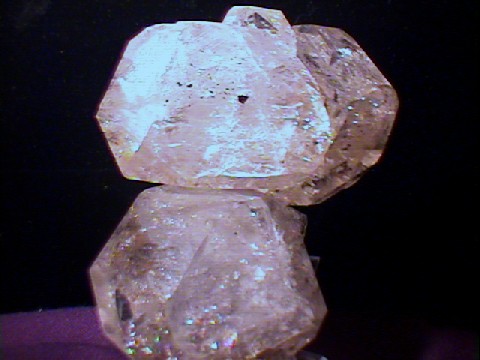
qua-179 ($ 75.00)
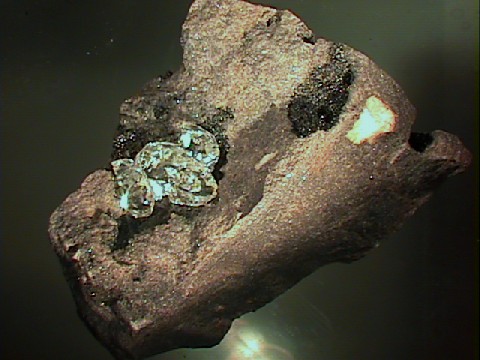
$ 75.00
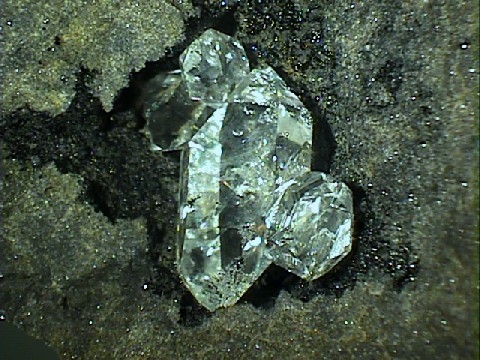
qua-178 ($ 75.00)
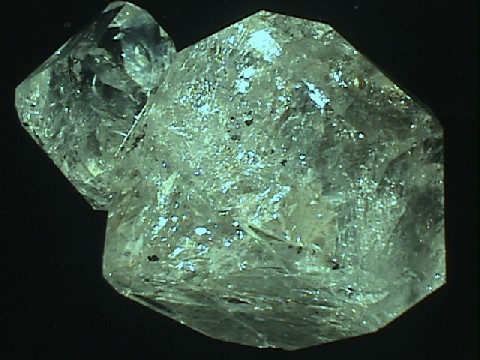
$ 55.00
qua-180 ($ 55.00)
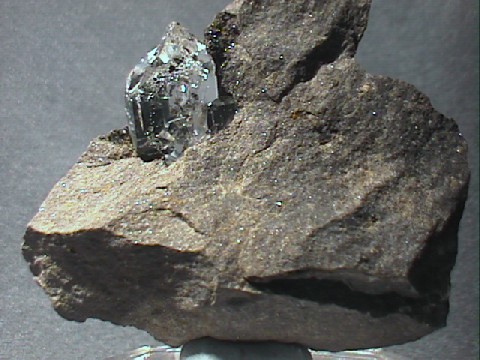
$ 45.00
qua-182 ($ 45.00)
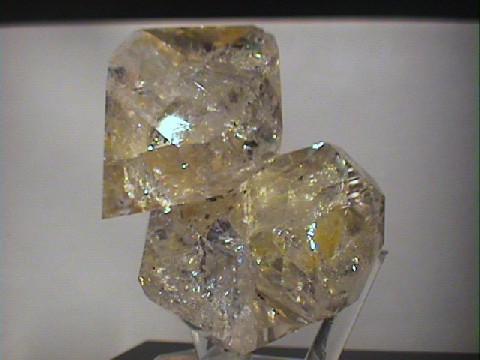
$ 50.00
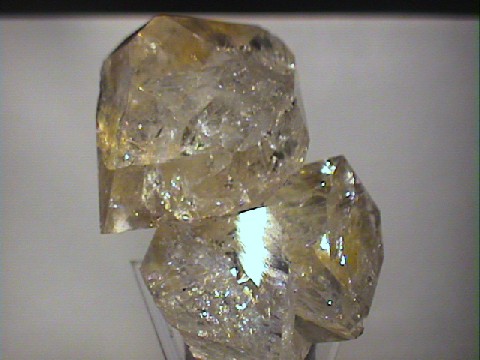
qua-181 ($ 50.00)
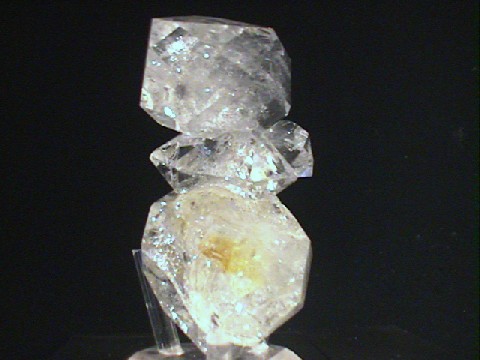
$ 45.00
qua-183 ($ 45.00)
$ 35.00
qua-184 ($ 35.00)
$ 35.00
qua-185 ($ 35.00)
$ 30.00
qua-186 ($ 30.00)
$ 25.00
qua-187 ($ 25.00)
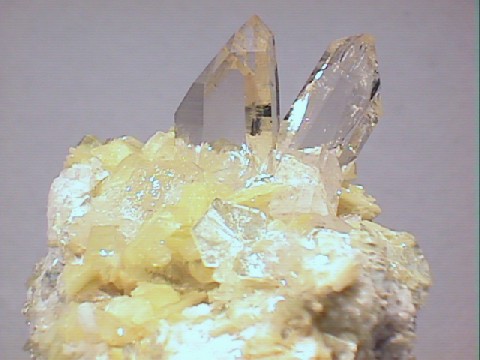
$ 30.00
qua-188 ($ 30.00)
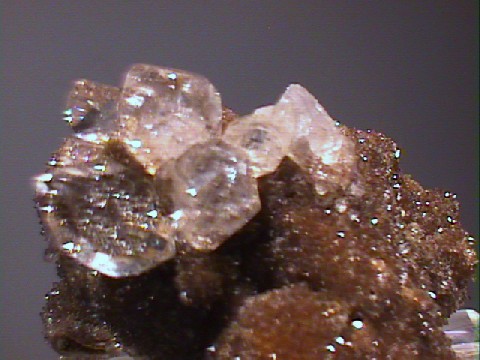
$ 30.00
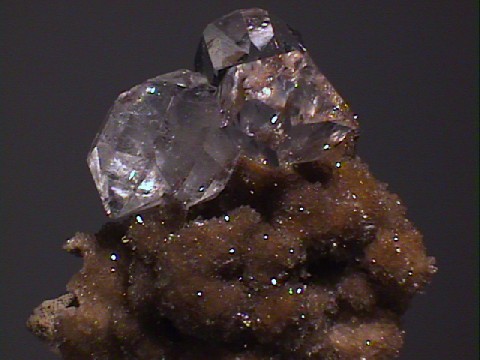
qua-189 ($ 30.00)
$ 25.00
qua-190 ($ 25.00)
$ 30.00
qua-191 ($ 30.00)
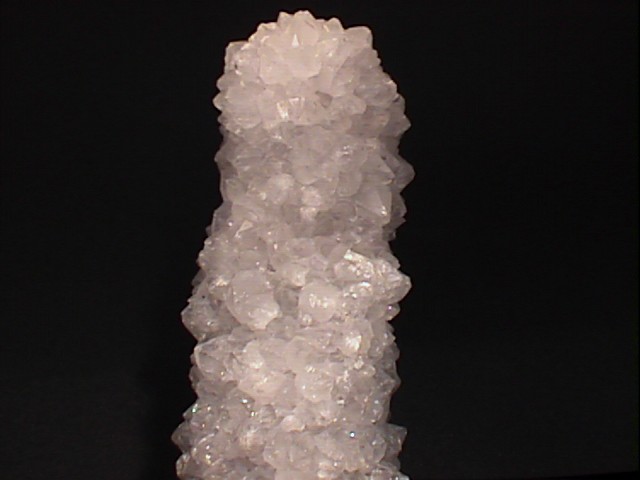
$ 60.00
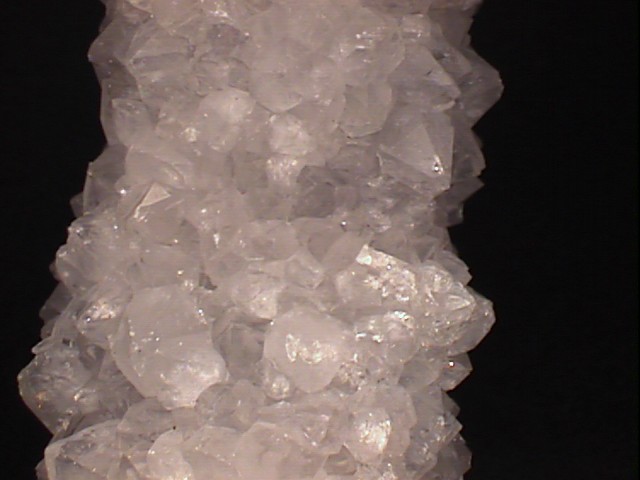
qua-192 ($ 60.00)
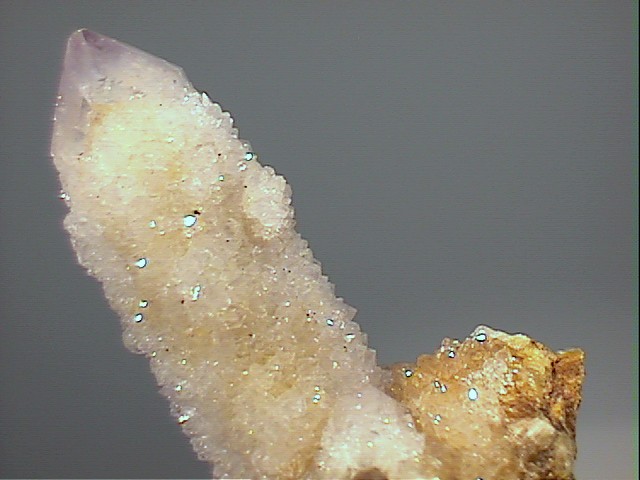
$ 27.00
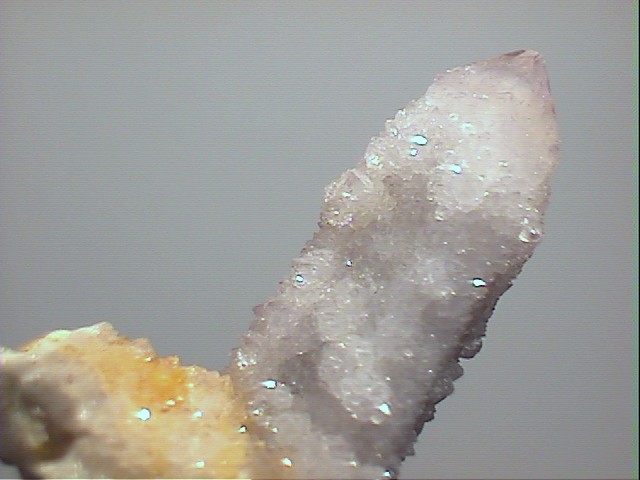
qua-194 ($ 27.00)

$ 25.00


qua-193 ($ 25.00)

$ 57.00


qua-195 ($ 57.00)

$ 25.00


qua-196 ($ 25.00)

$ 25.00


qua-197 ($ 25.00)

$ 34.00


qua-198 ($ 34.00)

$ 26.00


qua-199 ($ 26.00)