 NATIVE MERCURY
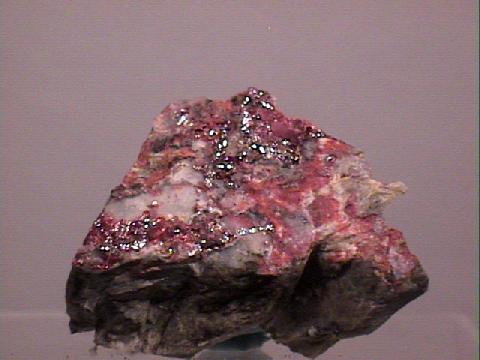
- Chemistry: Hg, Elemental Mercury
- Class: Elements
- Group:
Gold - Uses: Minor ore of mercury, electrical switches, thermometers
Specimens
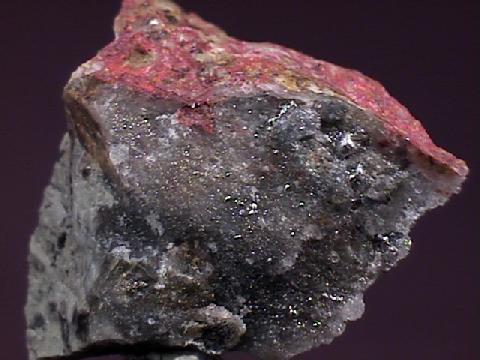
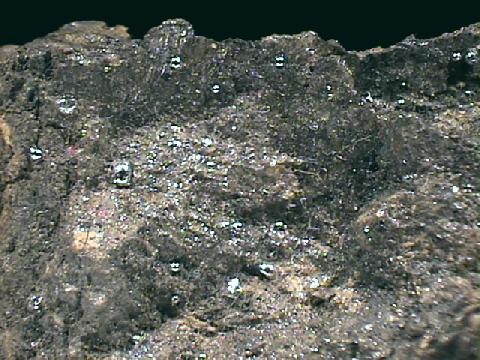
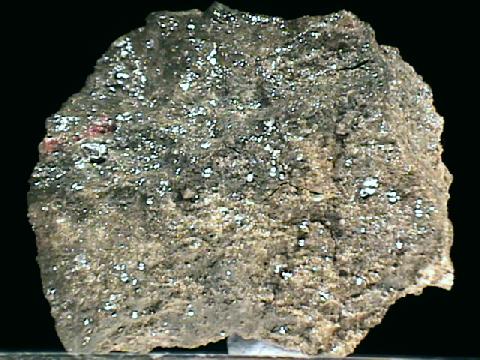
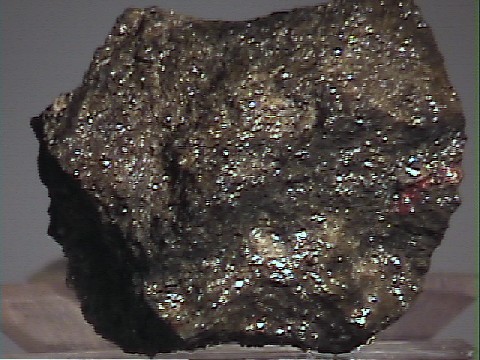
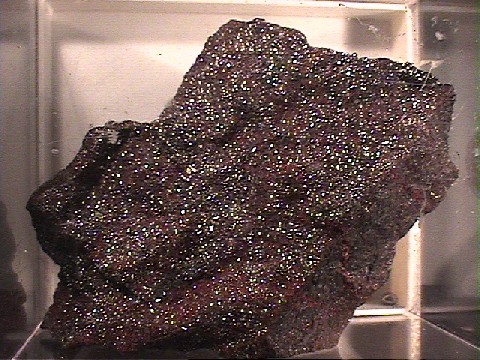
The primary mercury ore is cinnabar, which when heated readily decomposes leaving behind pure, metallic mercury which sinks to the bottom of the vessel. Most mercury specimens are indeed cinnabar specimens that have been roasted to free a small part of the mercury which collects as tiny droplets in the pores and crevices of the rock.
Mercury readily alloys with a variety of metals, including gold and silver, from which common dental fillings are made. Common dental amalgam is an alloy of silver, tin, copper, and zinc. There is a controversy regarding the mercury in dental fillings: Does this source of mercury exposure constitute a hazard? Mercury is a heavy metal and consequently a neurotoxin. However, the mercury in amalgam fillings is tightly bound to the other metals, and likely exposure due to a mouth full of fillings is perhaps 1% of the recommended maximum exposure. Bound mercury (in an insoluble form) is not likely to pose a risk. In any case, it is always advisable to wash your hands after handling any potentially toxic materials, including mercury and its ores.
PHYSICAL CHARACTERISTICS:
- Color is bright silvery metallic.
- Luster is metallic.
- Transparency is opaque.
- Crystal System does not apply
- Crystal Habits spherical droplets, or pools of mercury liquid.
- Cleavage does not apply
- Fracture does not apply
- Streak does not apply
- Hardness does not apply
- Specific Gravity is 13.5+ (very dense)
- Associated Minerals are cinnabar, calomel, and other secondary mercury minerals.
- Other Characteristics: Mercury is a liquid! It also expands at a constant rate with a rise in temperature.
- Notable Occurrences include Almaden, Spain; Idrija, former Yugoslavia; Italy; California, Oregon, Texas, and Arkansas, USA.
- Best Field Indicators its a liquid!
 Amethyst Galleries' Mineral Gallery MINERALS |
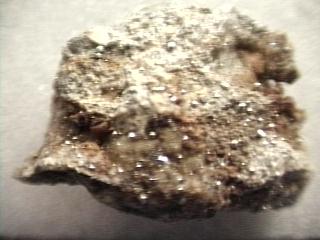
$ 45.00
mer-1 ($ 45.00)
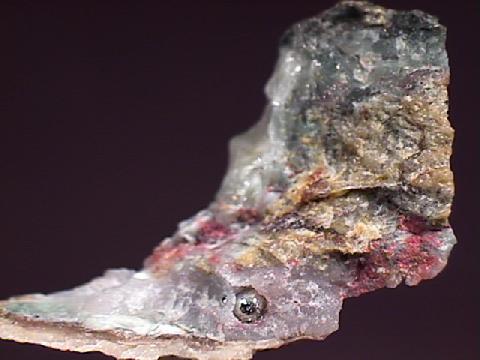
$ 25.00
mer-2 ($ 25.00)
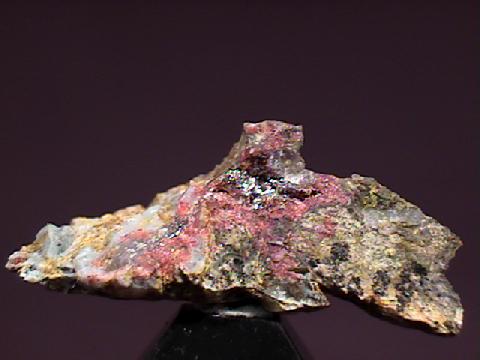
$ 25.00
mer-3 ($ 25.00)
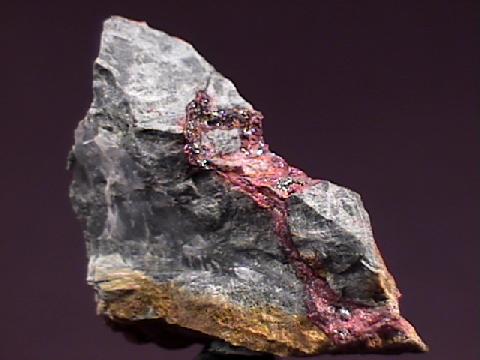
$ 30.00
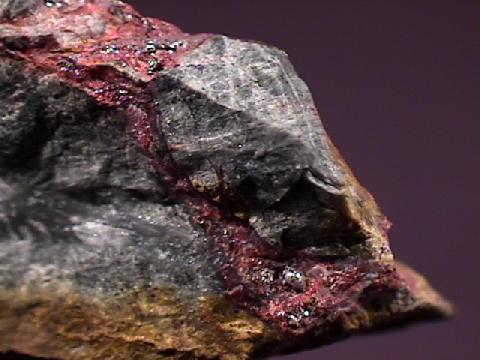
mer-4 ($ 30.00)
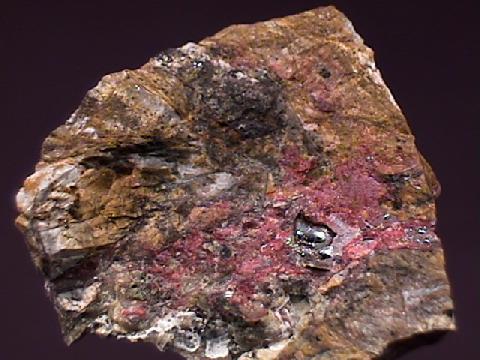
$ 50.00
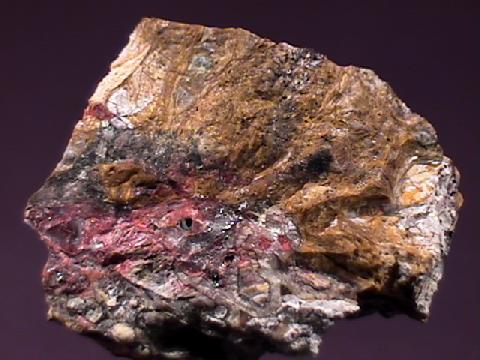
mer-5 ($ 50.00)
$ 50.00
mer-6 ($ 50.00)
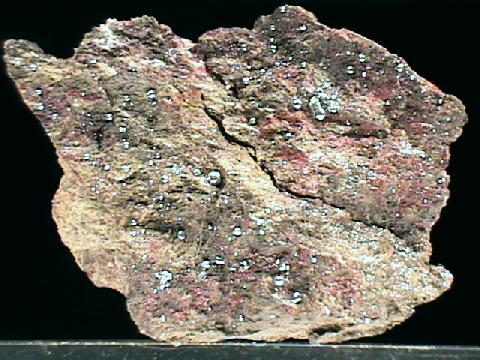
$ 60.00
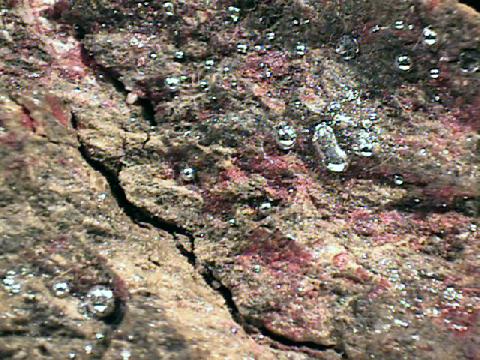
mer-7 ($ 60.00)
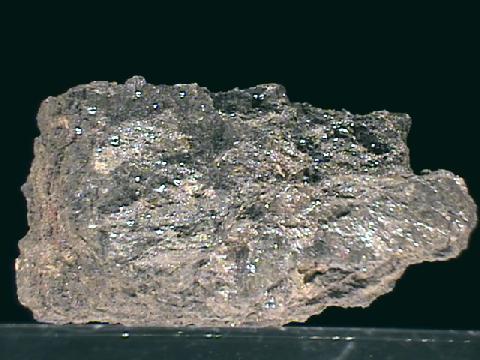
$ 35.00
mer-8 ($ 35.00)
$ 30.00
mer-9 ($ 30.00)
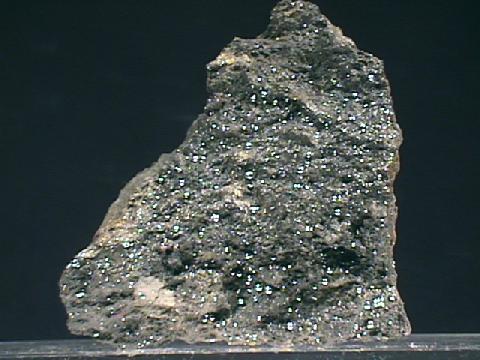
$ 90.00
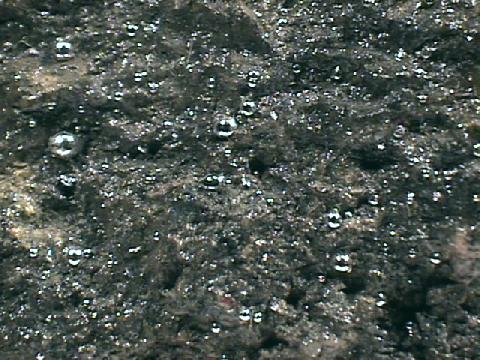
mer-10 ($ 90.00)
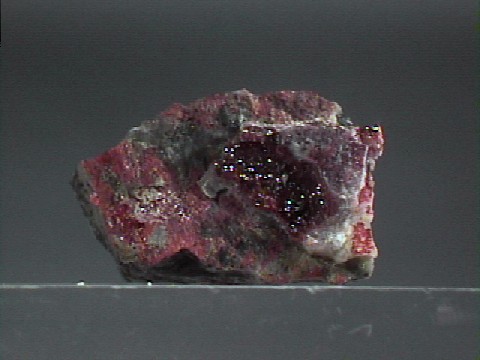
$ 40.00
mer-11 ($ 40.00)
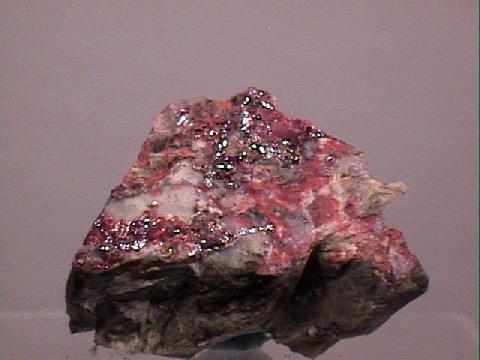
$ 30.00
mer-12 ($ 30.00)
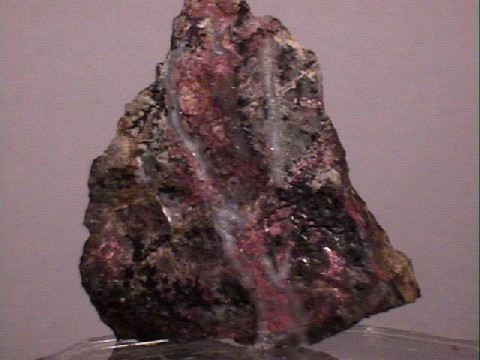
$ 25.00
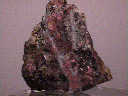
mer-13 ($ 25.00)
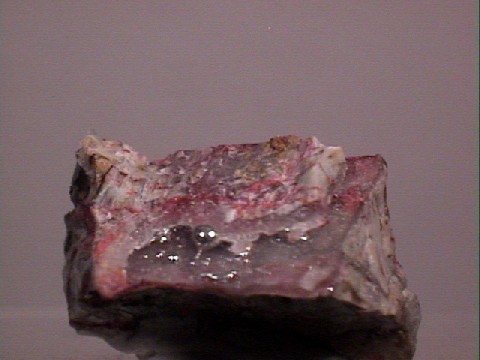
$ 25.00
mer-14 ($ 25.00)
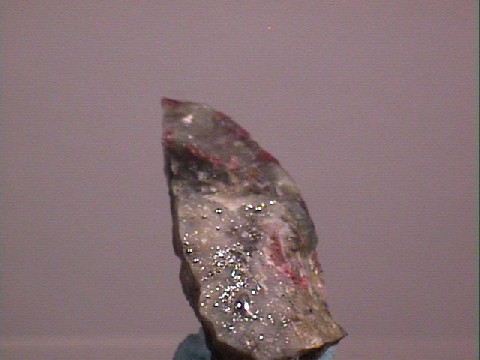
$ 25.00
mer-15 ($ 25.00)

$ 25.00

mer-16x ($ 25.00)
$ 30.00
mer-17 ($ 30.00)
$ 100.00
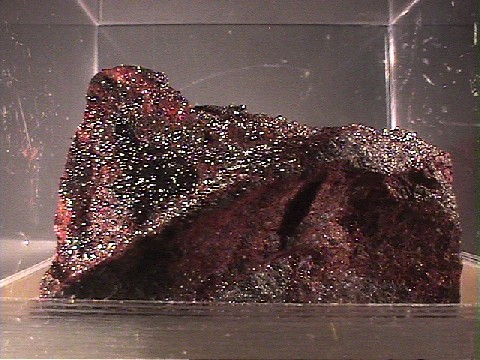
mer-18 ($100.00)
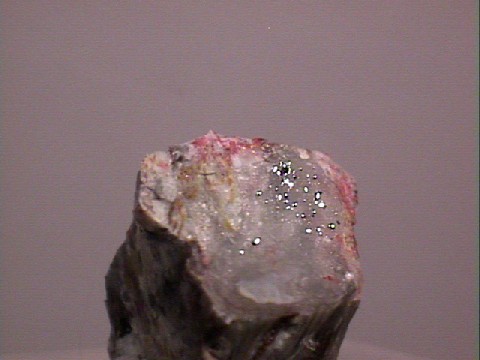
$ 25.00

mer-16 ($ 25.00)