 THE
MINERAL MIXITE
THE
MINERAL MIXITE
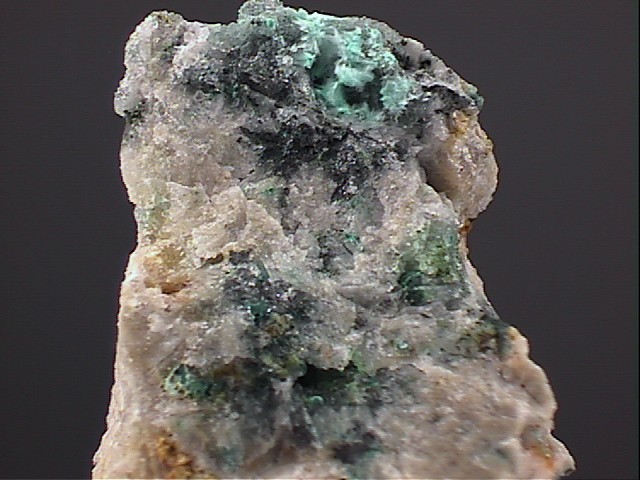
- Chemistry: BiCu6(AsO4)3(OH)6 - 3H2O, Hydrated Bismuth Copper Arsenate Hydroxide
- Class: Phosphate Class
- Subclass: Arsenates
- Group: Mixite
- Uses: Only as mineral specimens
Specimens
Mixite is one of just a handfull of bismuth minerals and one of even
fewer bismuth arsenates. Other bismuth arsenates include walpurgite
and
As a mineral collection specimen, mixite is truly a wonderful addition. It forms nice radial clusters called spherules, made up of fine acicular crystals. The color is typically a brilliant green of one shade or another coupled with an attractive silky luster.
Mixite lends its name to a small group of rather obscure minerals called the Mixite Group. The Mixite Group is a group of hexagonal, hydrated copper arsenate and phosphate hydroxides with a general formula of ACu6(XO4)3(OH)6 - 3H2O The A in the formula can be either bismuth, aluminum, calcium, cerium, lanthanum, yttrium, neodymium or thorium. The X can be either arsenic or phosphorous.
These are the members of the Mixite Group:
- Agardite (Hydrated Lanthanum Yttrium Calcium Cerium Neodymium Copper Arsenate Hydroxide)
Goudeyite (Hydrated Aluminum Yttrium Copper Arsenate Hydroxide)- Mixite (Hydrated Bismuth Copper Arsenate Hydroxide)
Petersite (Hydrated Yttrium Calcium Copper Phosphate Hydroxide)
Agardite actually represents at least a couple of minerals and is sometimes considered a mineral group itself. Agardite and mixite are difficult to differentiate. But if the specimen is associated with other bismuth minerals, than this can prove diagnostic in mixite's favor.
PHYSICAL CHARACTERISTICS:
- Color is green, emerald-green, blue-green, yellow-green or off-white.
- Luster is vitreous or silky to dull.
- Transparency: Crystals are transparent to translucent.
- Crystal System is hexagonal.
- Crystal Habits include radiating clusters, tufts or spherules of acicular or fibrous crystals, also massive, capillary and earthy.
- Cleavage not noticeable.
- Fracture is fibrous.
- Hardness is 3 - 4.
- Specific Gravity is approximately 3.8 - 4.0 (above average for translucent minerals).
- Streak is light green.
- Associated Minerals are
pharmacosiderite , zeunerite, emplectite, limonite, malachite, wulfenite, mimetite and barite. - Notable Occurrences include Germany; El Carmen Mine, Durango, Mexico; France; Jachymov of the former Czechoslovakia; Inyo County, California and Gila and Pinal Counties in Arizona, USA.
- Best Field Indicators are color, crystal habit, density and associations with bismuth ores.
 Amethyst Galleries' Mineral Gallery MINERALS |
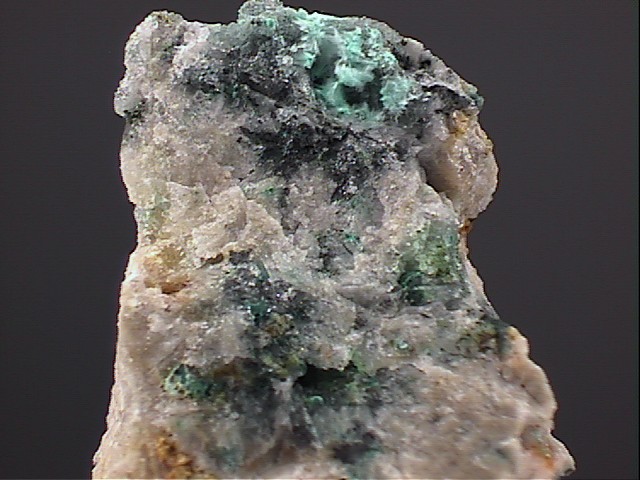
$ 25.00
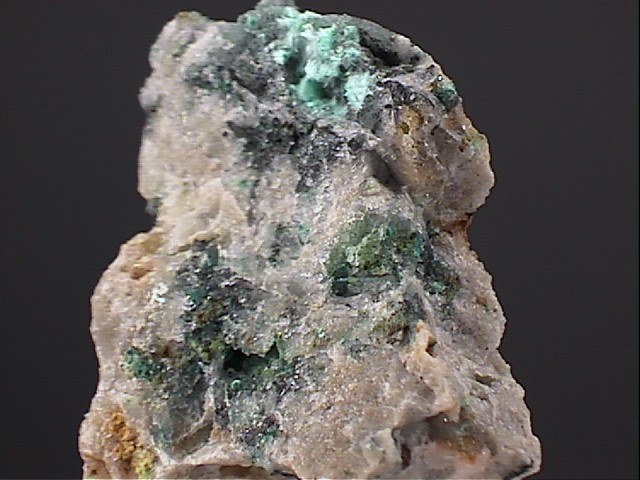
mix-1 ($ 25.00)
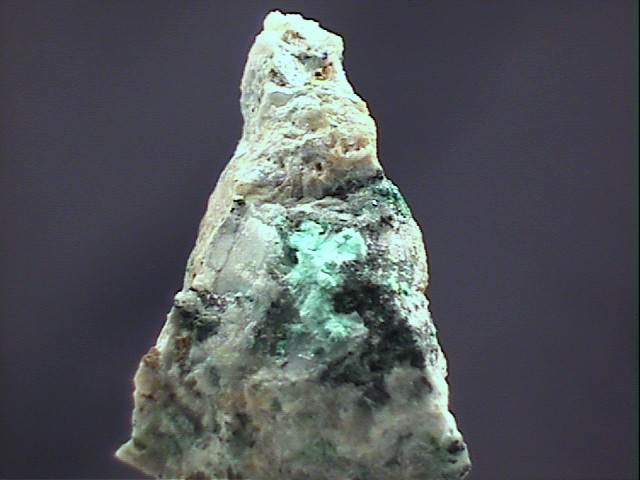
$ 25.00
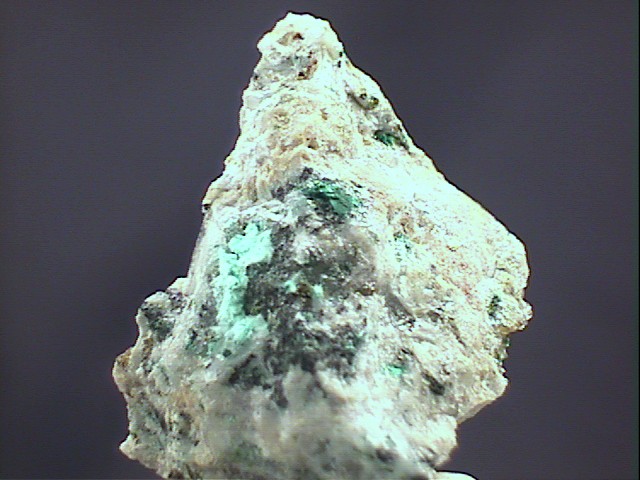
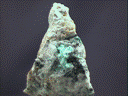
mix-2 ($ 25.00)