|
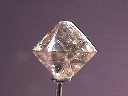 APRIL BIRTHSTONE - DIAMOND
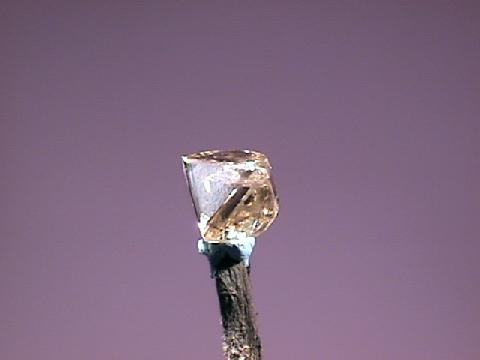
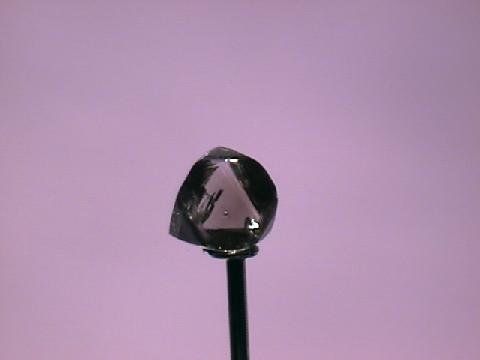
Diamond is the ultimate gemstone, having few weaknesses and many strengths. It is well known that Diamond is the hardest substance found in nature, but few people realize that Diamond is four times harder than the next hardest natural mineral, corundum (sapphire and ruby). But even as hard as it is, it is not impervious. Diamond has four directions of cleavage, meaning that if it receives a sharp blow in one of these directions it will cleave, or split. A skilled diamond setter and/or jeweler will prevent any of these directions from being in a position to be struck while mounted in a jewelry piece. As a gemstone, Diamond's single flaw (perfect cleavage) is far outdistanced by the sum of its positive qualities. It has a broad color range, high refraction, high dispersion or fire, very low reactivity to chemicals, rarity, and of course, extreme hardness and durability. Diamond is the April Birthstone, and an alternate Zodiac stone for the Constellation of Aries. Diamond is the ultimate gemstone in several ways:
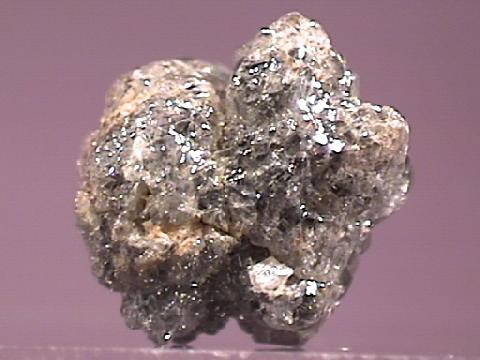
Diamonds are found in a type of rock called "Kimberlite", which comprises the core of certain volcanoes over especially thick portions of the earth's crust. This hard stone is mined and then crushed between giant steel rollers. The kimberlite is reduced to fine gravel, yet the extremely hard diamonds come out unharmed! Water is added and a grease covered roller sorts the diamonds from the gravel, as the diamonds stick to the grease. Typically, a single carat of diamond is recovered from a ton of rich ore. Diamonds are found in many areas including South Africa, Russia, and even in Arkansas in the USA. In all cases, the diamonds formed deep within the earth's mantle, and were brought to the surface in volcanic eruptions. In many cases, the diamonds weathered out of the kimberlite by natural processes, and were transported downstream by water. Many diamonds are mined in the resulting alluvial deposits in areas such as along the coast of South Africa.
To see our natural diamond specimens, see the
|
 Amethyst Galleries' Mineral Gallery MINERALS
|
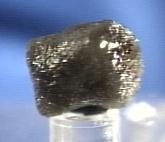
$ 125.00

dia-1 ($125.00)
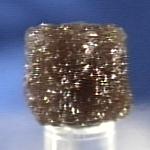
$ 140.00

dia-2 ($140.00)
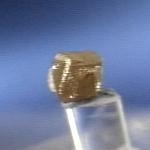
$ 60.00

dia-4 ($ 60.00)
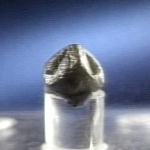
$ 50.00

dia-5 ($ 50.00)
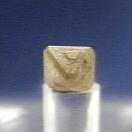
$ 45.00

dia-6 ($ 45.00)
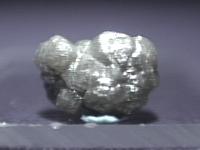
 DIAMOND specimen dia-32
$ 360.00
 dia-32 ($360.00)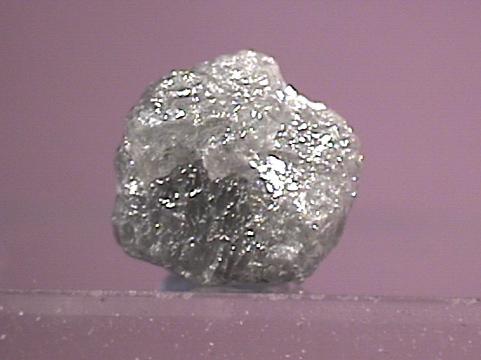
$ 90.00
dia-49 ($ 90.00)
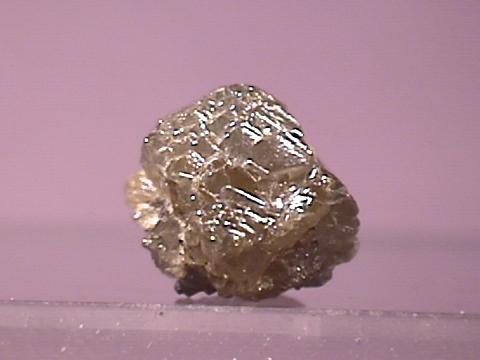
$ 80.00
dia-50 ($ 80.00)
$ 110.00
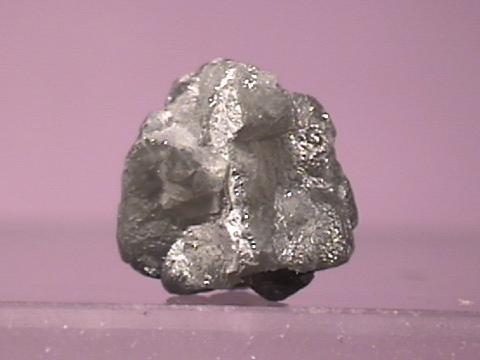
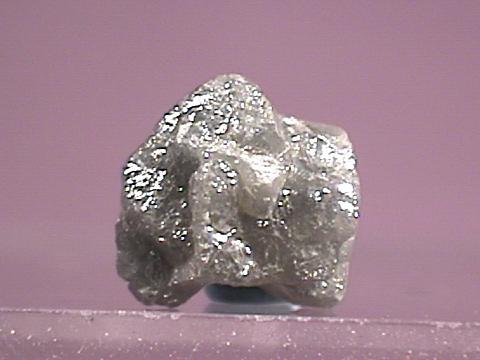
dia-51 ($110.00)
$ 270.00
dia-52 ($270.00)
$ 125.00
dia-53 ($125.00)
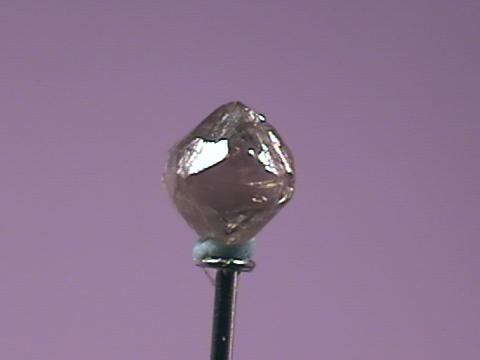
$ 135.00
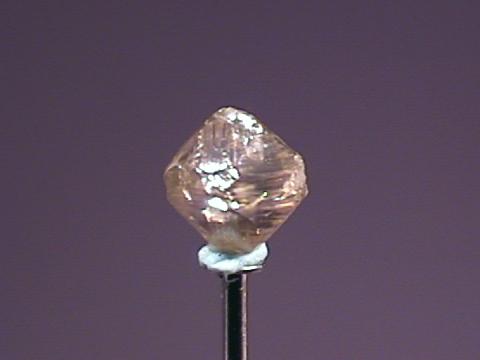
dia-54 ($135.00)
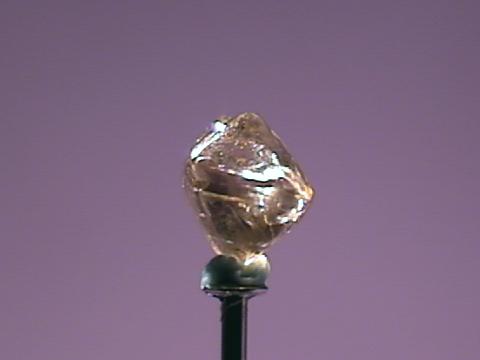
$ 125.00
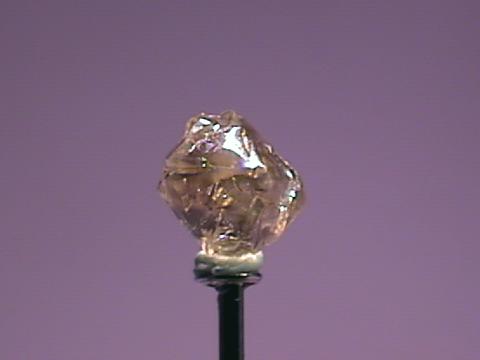
dia-55 ($125.00)
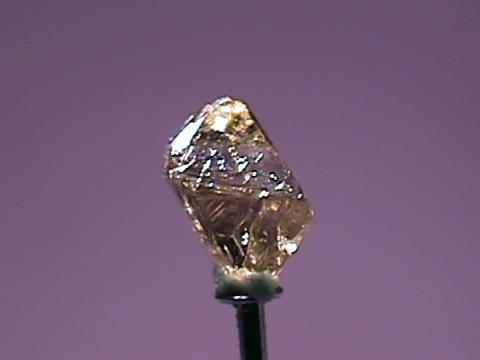
$ 160.00
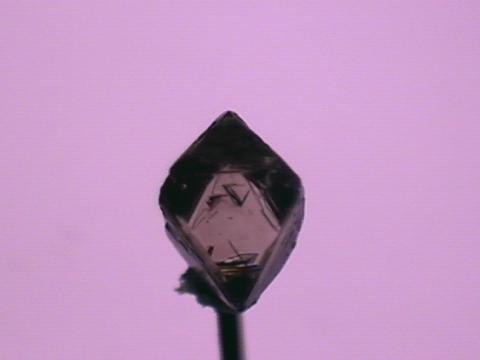
dia-56 ($160.00)
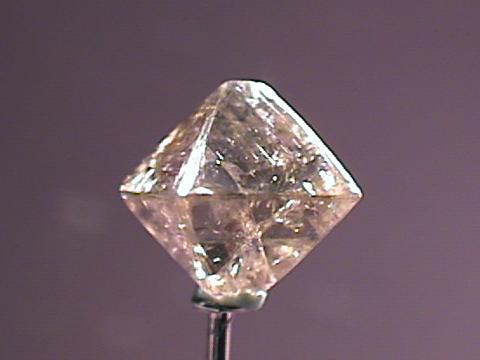 DIAMOND specimen dia-57
$ 400.00
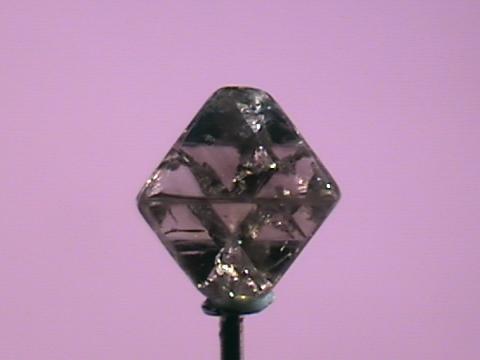
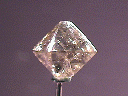 dia-57 ($400.00)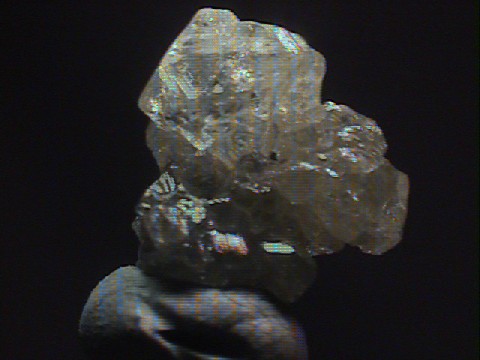
$ 300.00
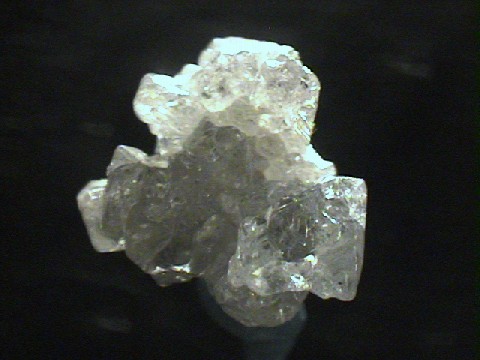
dia-80 ($300.00)
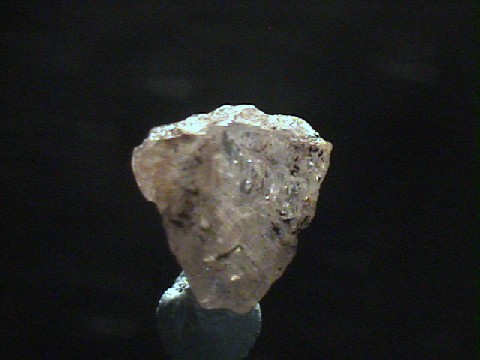
$ 225.00
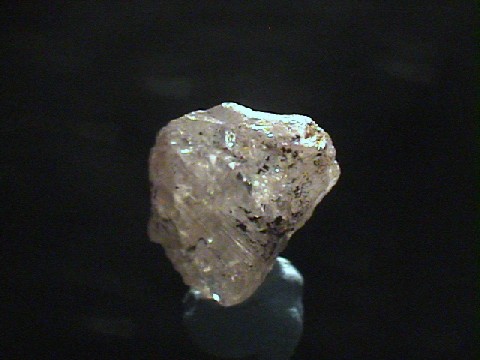
dia-81 ($225.00)
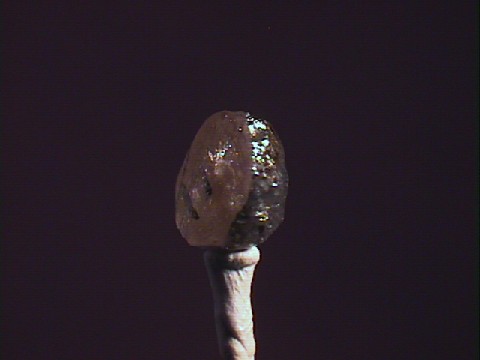
$ 200.00
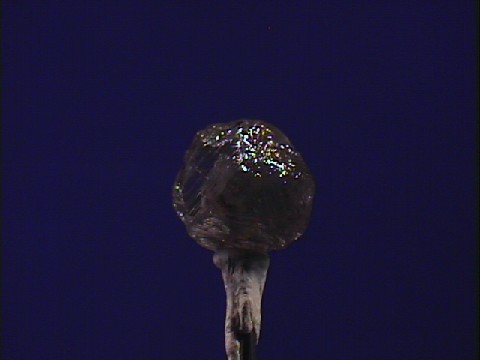
dia-82 ($200.00)
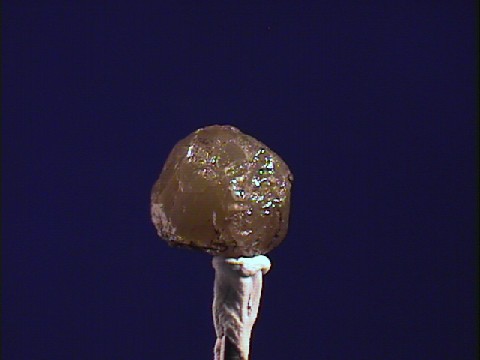
$ 175.00
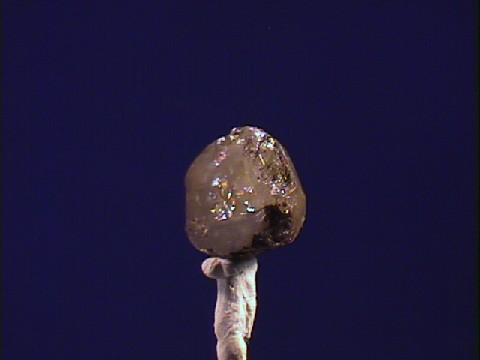
dia-83 ($175.00)
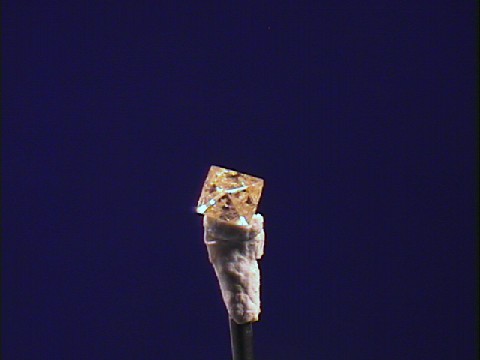
$ 144.00
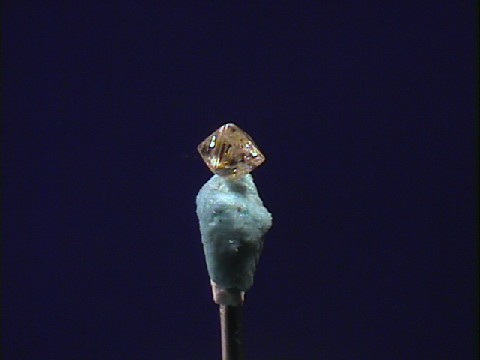
dia-84 ($144.00)
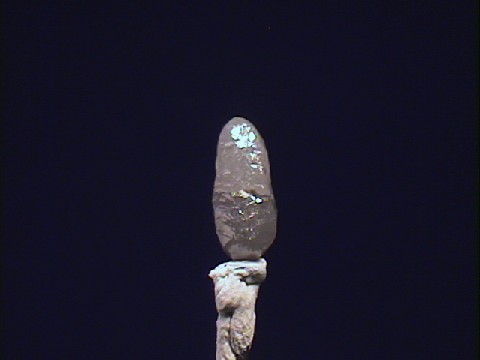
$ 40.00
dia-85 ($ 40.00)
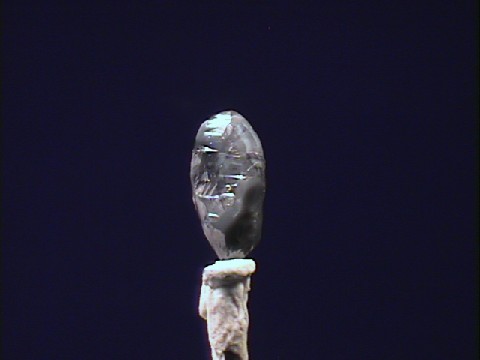
$ 38.00
dia-86 ($ 38.00)
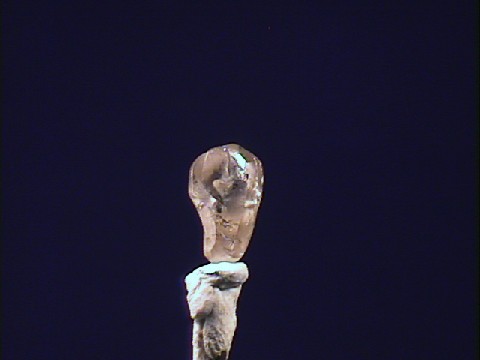
$ 36.00
dia-87 ($ 36.00)
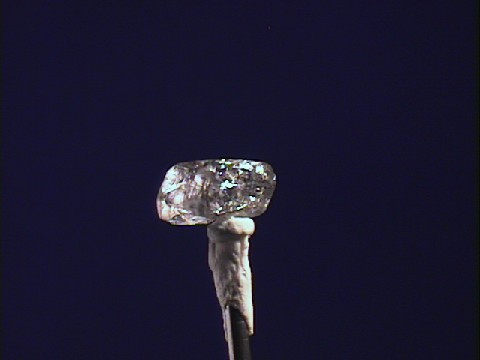
$ 34.00
dia-88 ($ 34.00)
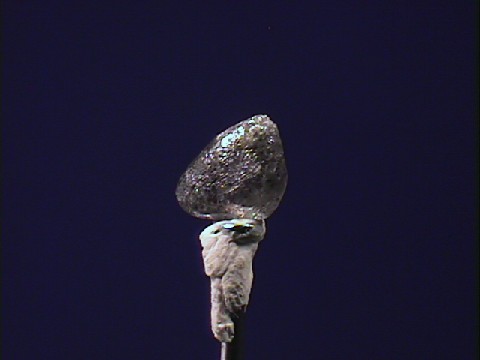
$ 32.00
dia-89 ($ 32.00)
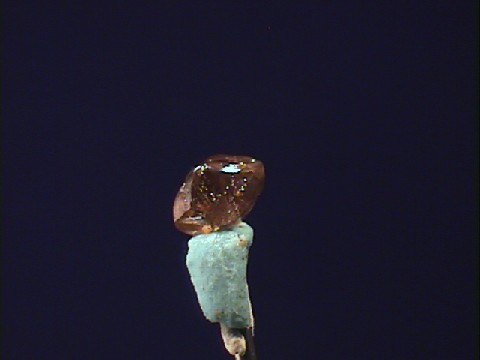
$ 34.00
dia-90 ($ 34.00)
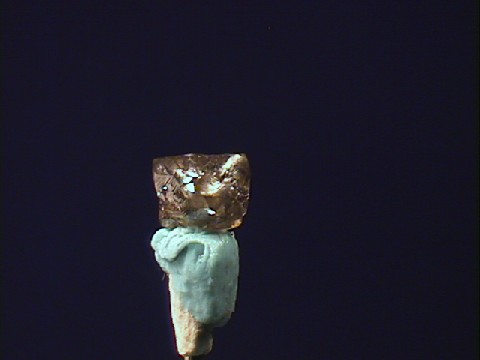
$ 34.00
dia-91 ($ 34.00)
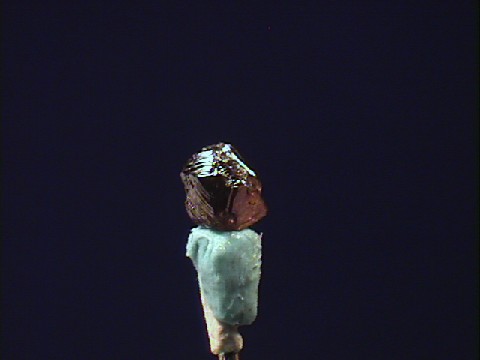
$ 32.00
dia-92 ($ 32.00)
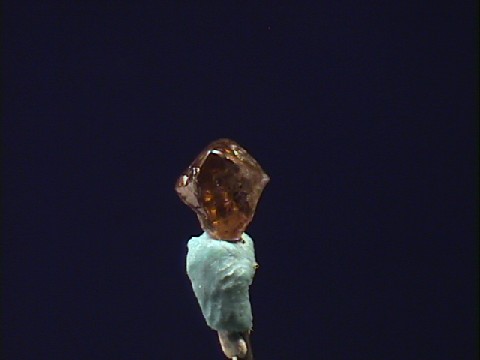
$ 30.00
dia-93 ($ 30.00)
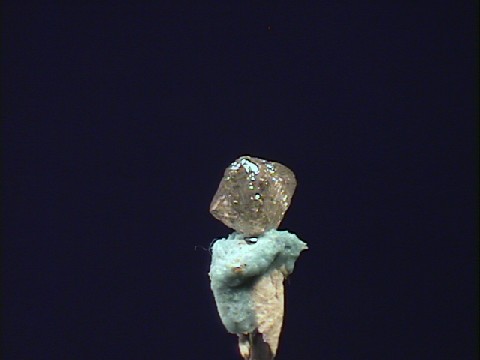
$ 28.00
dia-94 ($ 28.00)
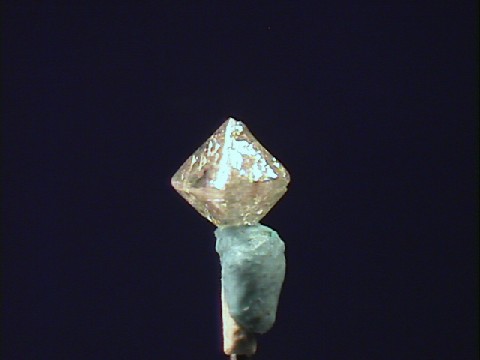 DIAMOND specimen dia-95
$ 525.00
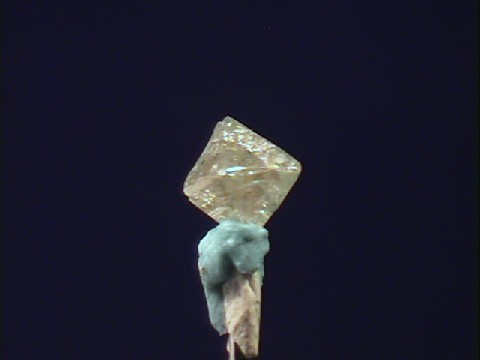
 dia-95 ($525.00)
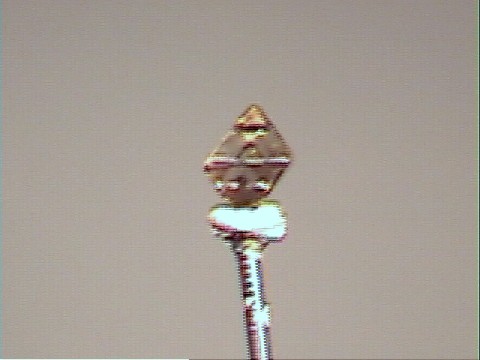 DIAMOND specimen dia-96
$ 240.00
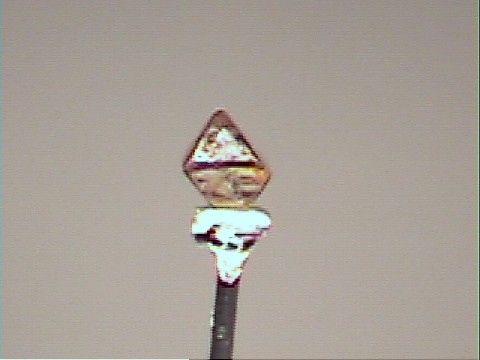
 dia-96 ($240.00)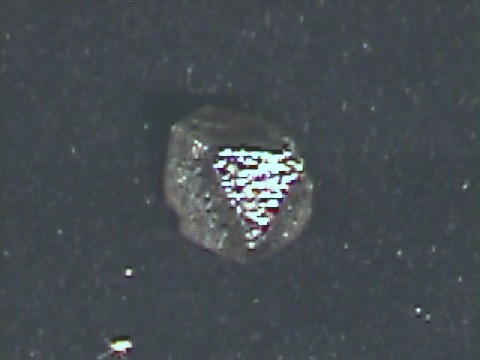
$ 200.00
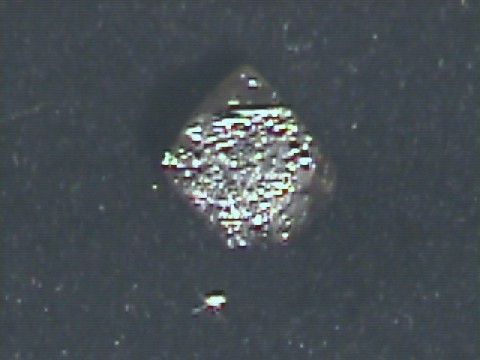
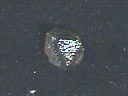
dia-97 ($200.00)
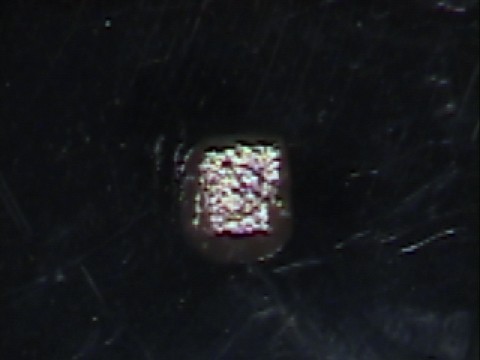
$ 86.00
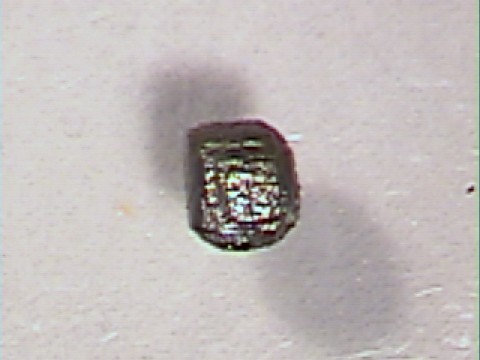
dia-98 ($ 86.00)
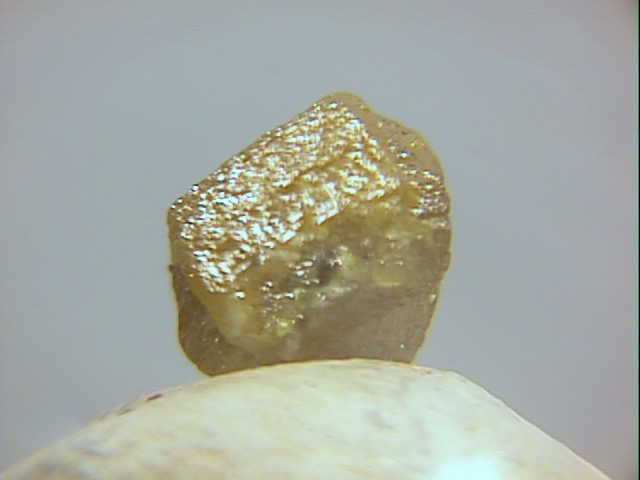
$ 69.00
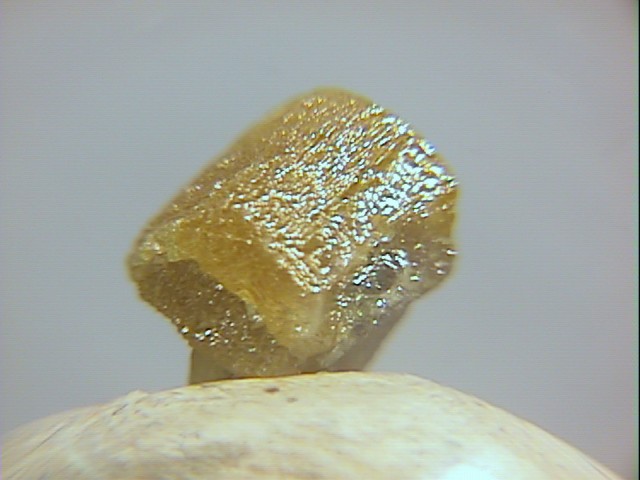
dia-100 ($ 69.00)
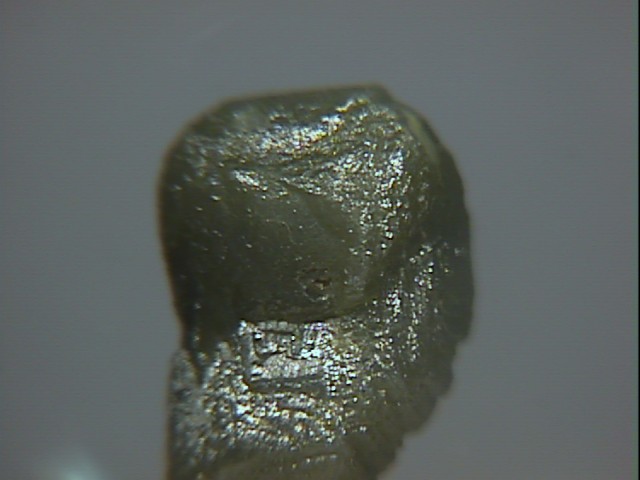
$ 93.00
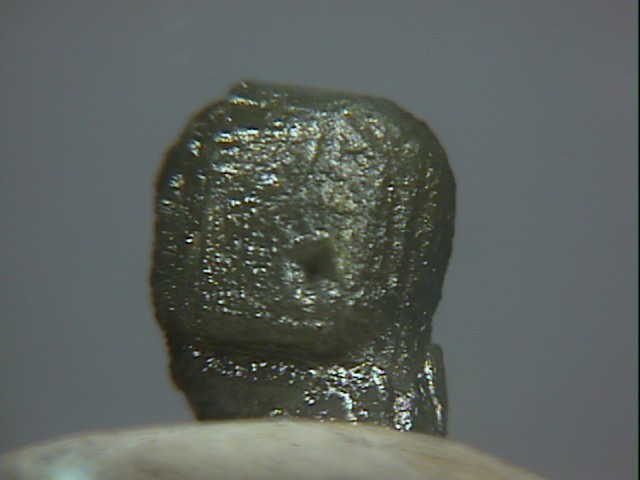
dia-101 ($ 93.00)
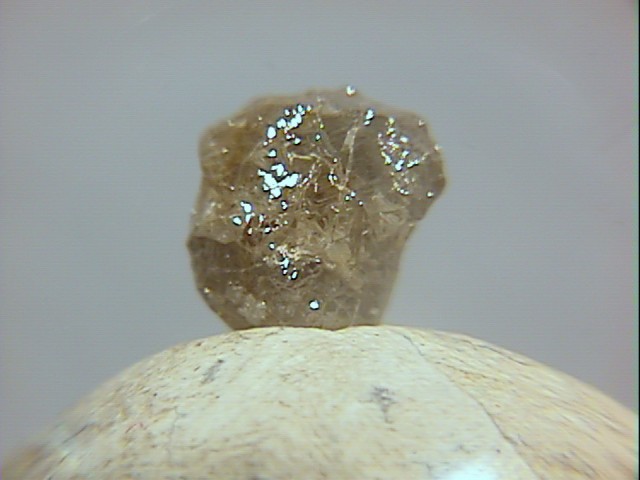
$ 66.00
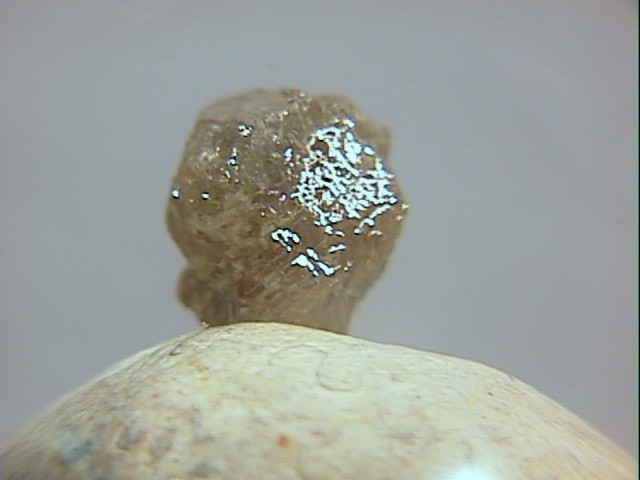
dia-102 ($ 66.00)
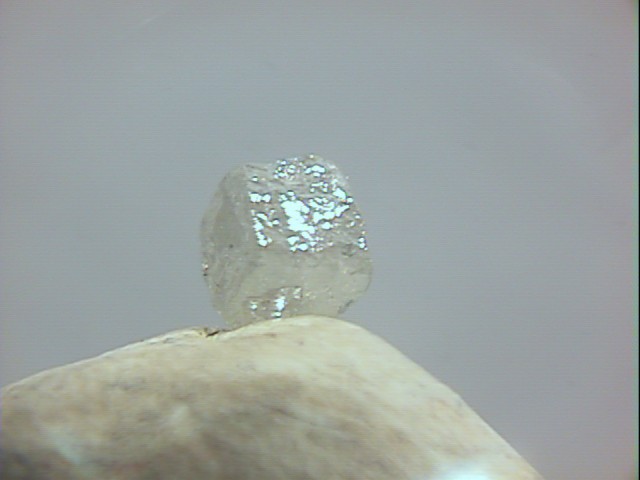
$ 40.00
dia-103 ($ 40.00)
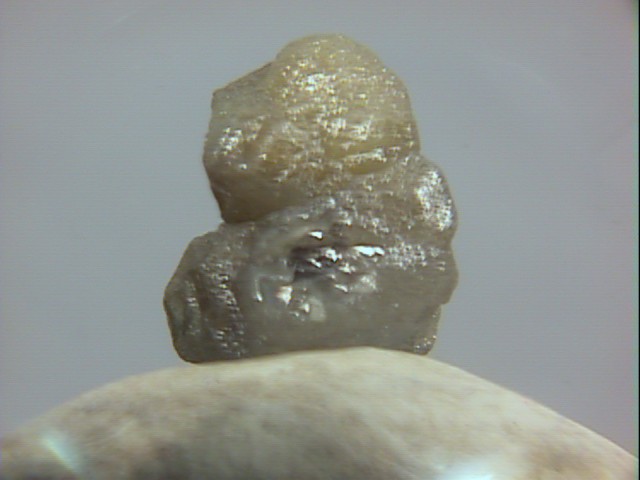
$ 137.00
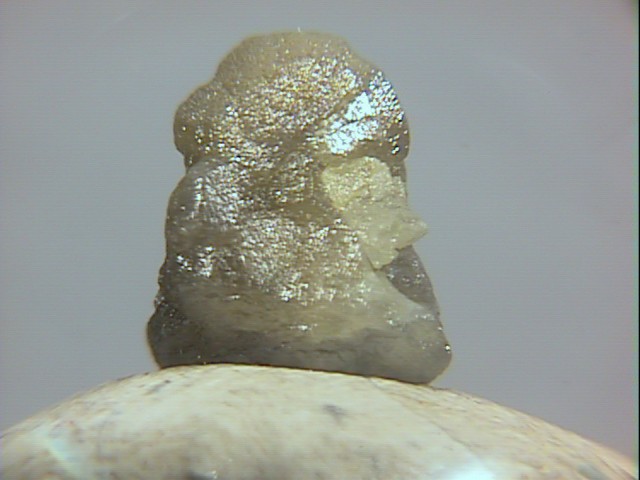
dia-104 ($137.00)
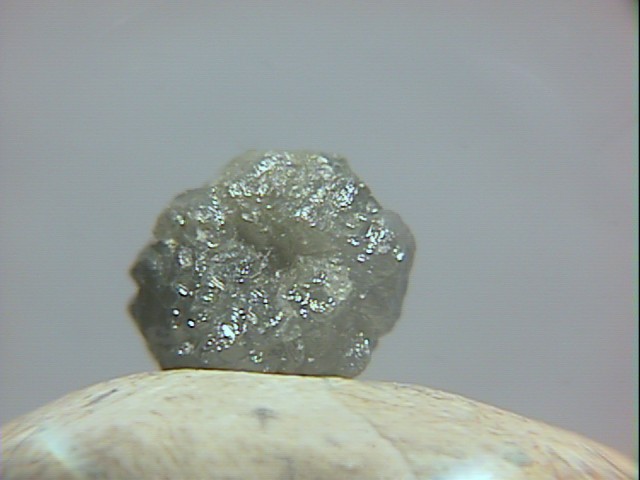
$ 69.00
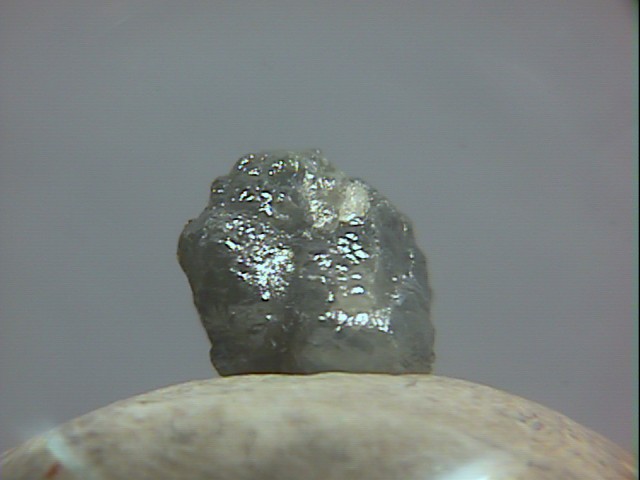
dia-105 ($ 69.00)
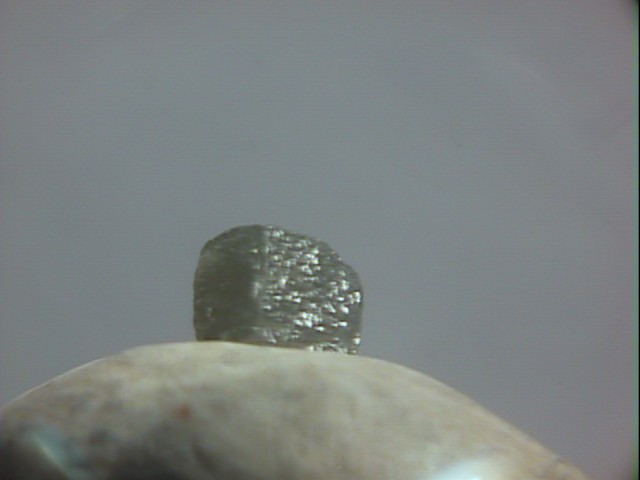
$ 42.00
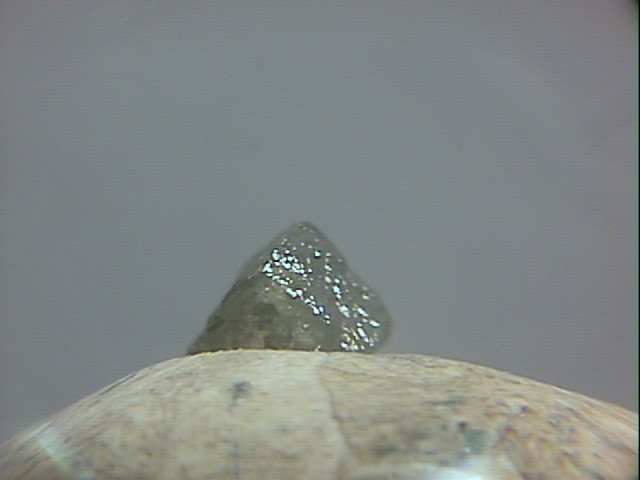
dia-106 ($ 42.00)
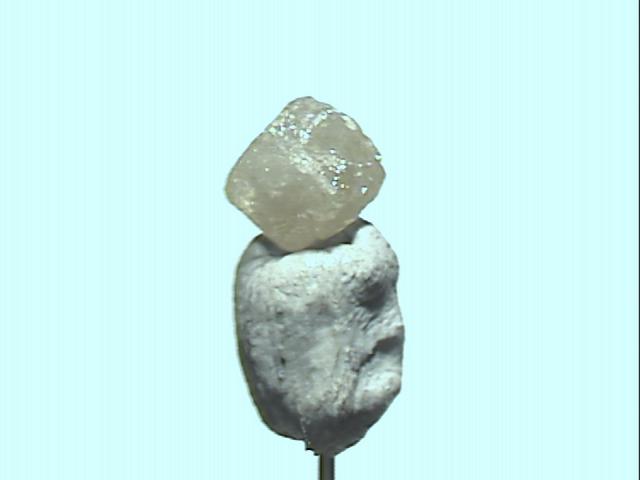
$ 53.00
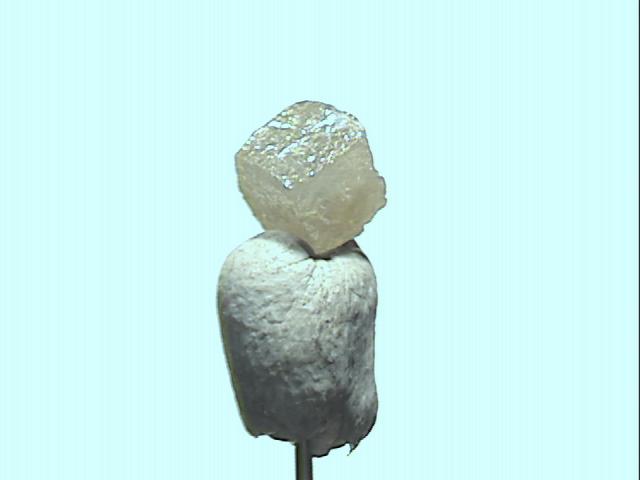
dia-107 ($ 53.00)
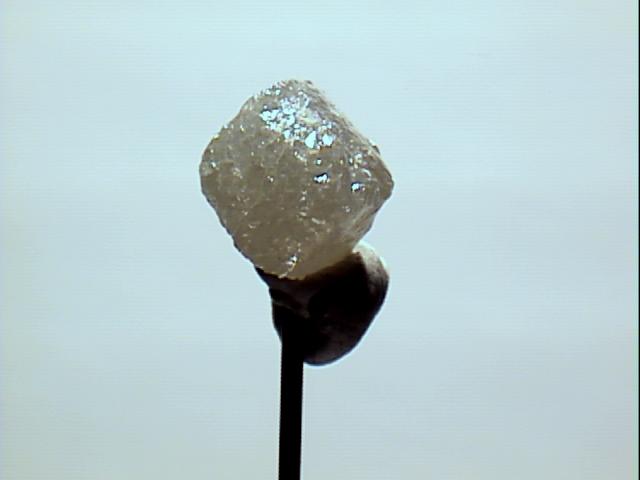
$ 110.00
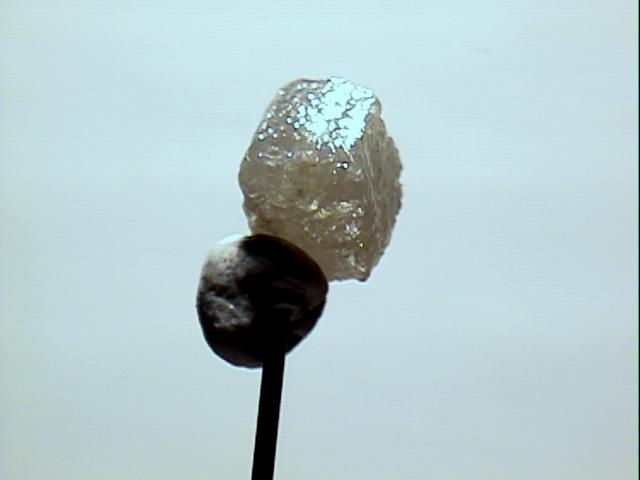
dia-99 ($110.00)